Notable Inventions
Groundbreaking innovations by GD Naidu
Electric Motor (1920)
Naidu's first major invention was an electric motor that could operate on both alternating current (AC) and direct current (DC) power supplies. This dual-capability motor was revolutionary for its time and demonstrated Naidu's deep understanding of electrical principles despite his lack of formal education.
The motor found immediate applications in small industries and agricultural pumps, reducing dependence on imported motors. Naidu established a manufacturing unit for these motors in Coimbatore, which became the foundation for India's indigenous electrical equipment industry.
Indigenous Motor Vehicle (1937)
In 1937, Naidu created India's first fully indigenous motor vehicle. The car featured several innovative designs:
- Dual-fuel engine capable of running on both petrol and kerosene
- Locally manufactured chassis and body
- Custom-designed transmission system
- Improved suspension for Indian road conditions
The vehicle was demonstrated at the Madras Automobile Exhibition in 1937, where it received widespread acclaim. Despite interest from industrialists, Naidu did not commercialize the vehicle on a large scale, focusing instead on other inventions.
Rasant Electric Razor (1940)
The Rasant electric razor was one of Naidu's consumer-oriented inventions. Powered by dry cells, it was designed to be affordable and maintenance-free. The razor featured:
| Feature | Description | Advantage |
|---|---|---|
| Power Source | Two dry cell batteries | Portable, no electrical outlet needed |
| Blade System | Rotary cutting head | Smooth operation, less irritation |
| Manufacturing | Locally produced parts | Easy repair and maintenance |
| Price | ₹25 (approx. 1940) | Affordable compared to imports |
Film Projector (1945)
Naidu's film projector was designed specifically for Indian cinema conditions. It featured improved cooling systems to handle India's tropical climate and used standardized parts that were easily replaceable. The projector was adopted by several cinema halls across South India.
Bus Ticket Machine (1950)
This mechanical device revolutionized public transport ticketing in India. The machine would dispense pre-numbered tickets when the conductor turned a handle, eliminating calculation errors and reducing fraud.
Other Inventions
Naidu's other inventions include:
- Indigenous electric motor designs
- Low-cost camera prototype
- Improved wet grinder mechanism
- Mechanical ticket issuing machine for buses
- Experimental petrol-kerosene dual fuel engine
Major Inventions of G. D. Naidu
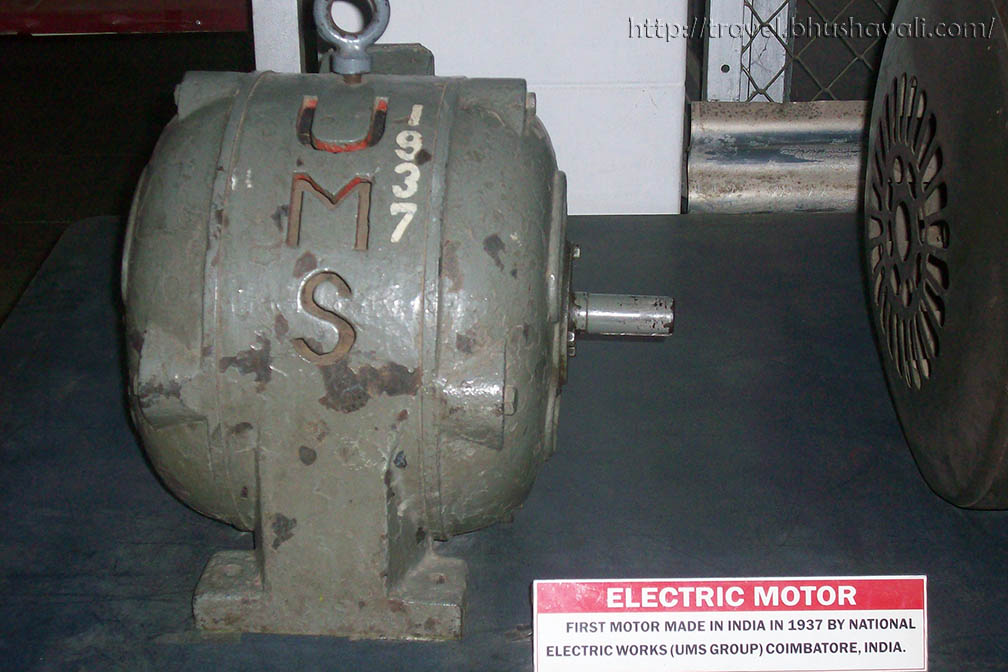
Indigenous Electric Motor
In 1920, G.D. Naidu developed India's first indigenous electric motor, capable of operating on both AC and DC power.
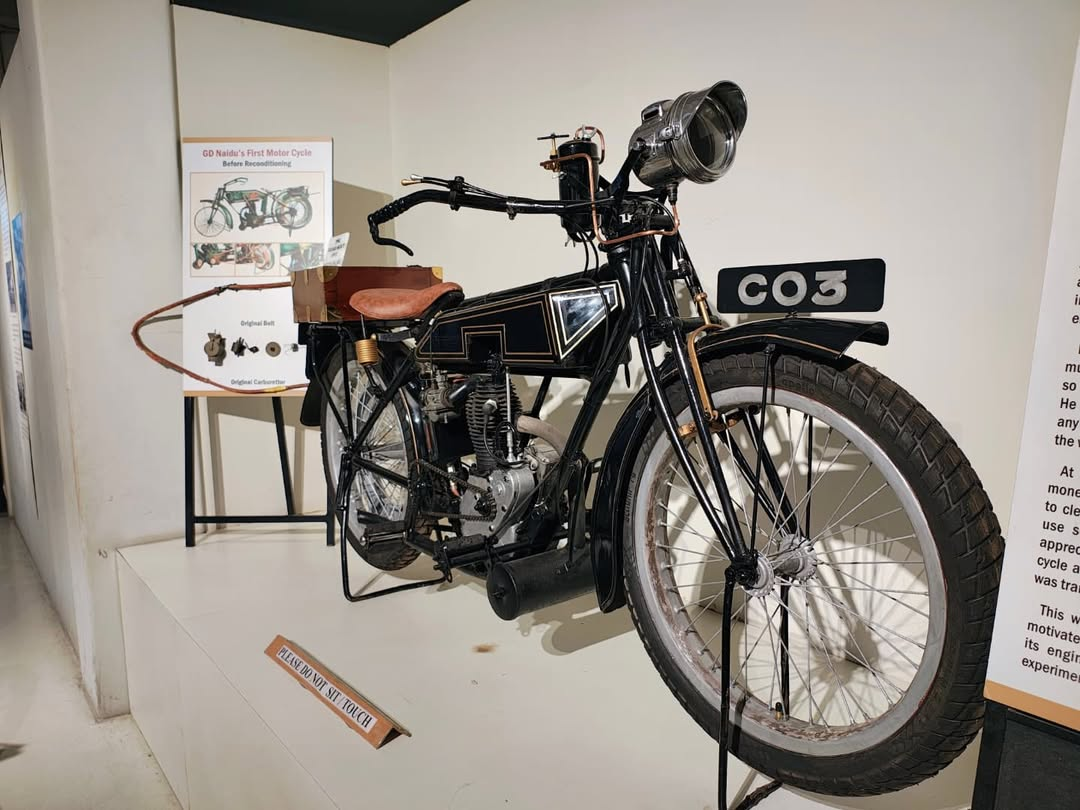
India's First Indigenous Motor Vehicle
In 1937, G.D. Naidu created India's first fully indigenous motor vehicle.
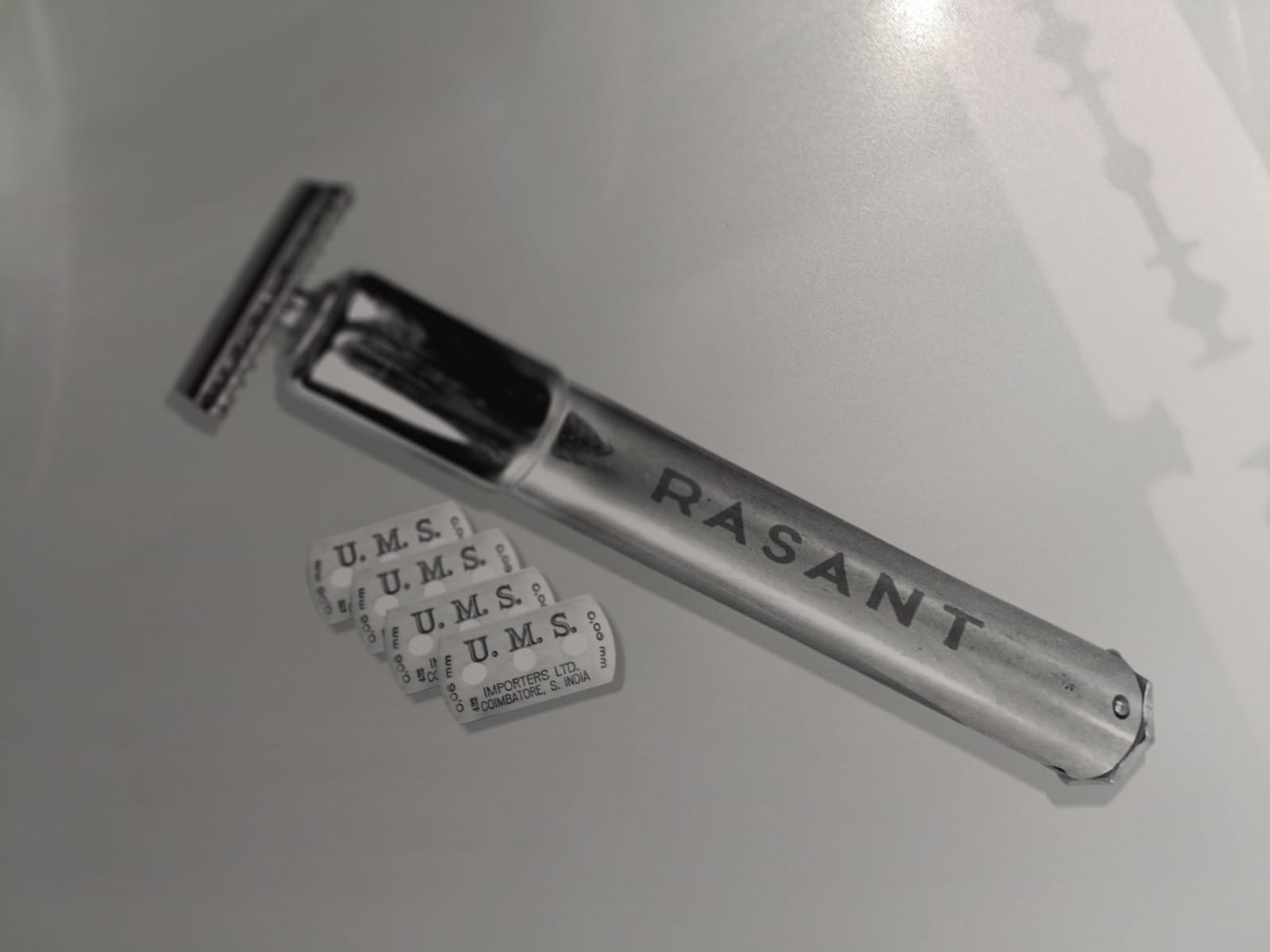
Rasant Electric Razor
G.D. Naidu invented the Rasant Electric Razor in 1940, a compact shaving device powered by dry cells.